Delivery systems that keep moving
A delivery system should make progress easier to sustain, not create a second job around reporting progress.
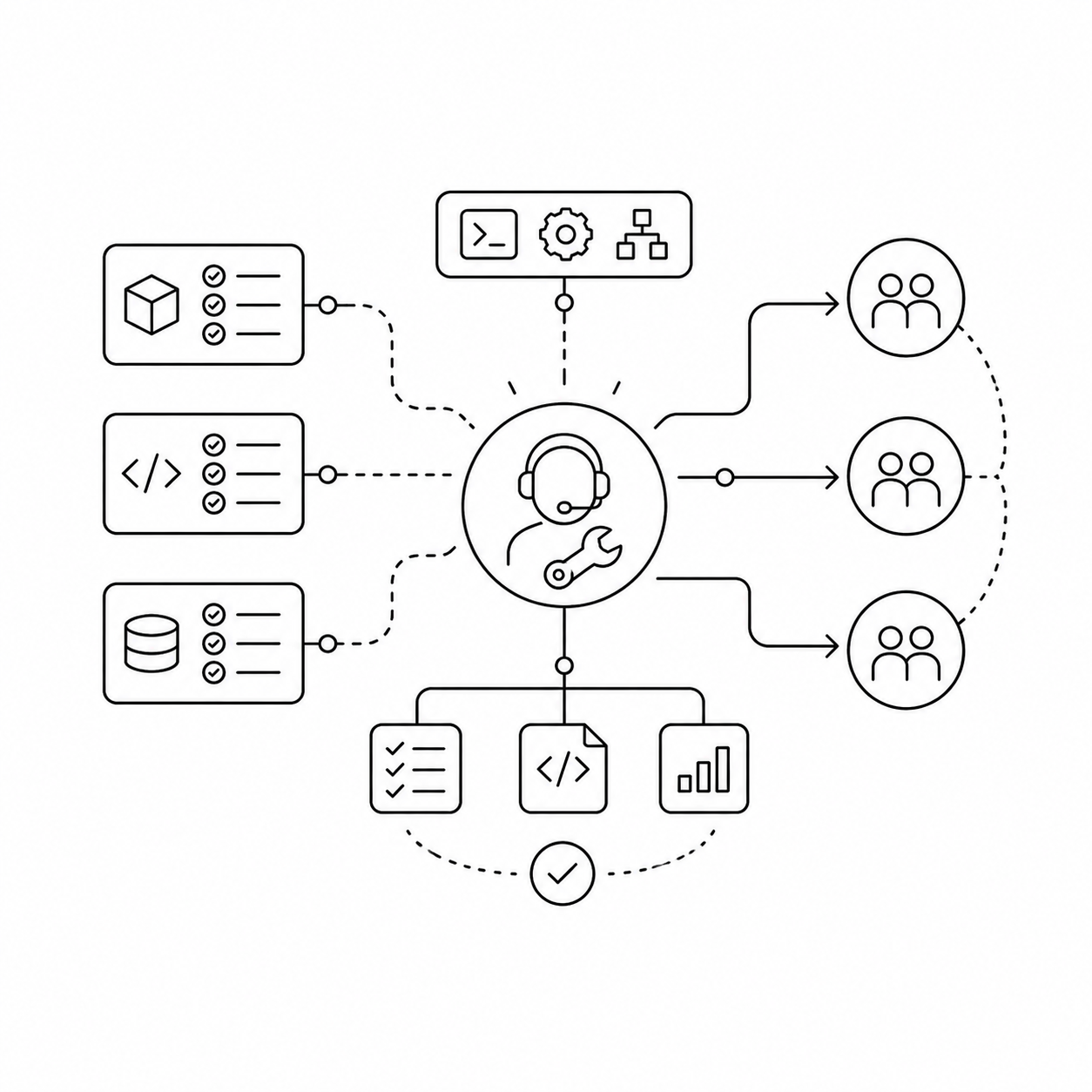
Teams slow down for many reasons, but a common one is surprisingly simple: the process around delivery starts competing with the delivery itself.
Status rituals multiply. Tickets become handoff artifacts instead of coordination tools. Release planning grows around uncertainty instead of reducing it. The result is a team that appears organized while spending more and more energy translating work between layers.
The better delivery systems are usually quieter. They define ownership clearly, make dependencies visible early, and keep the path from decision to execution short. They do not ask every part of the organization to operate at the same level of ceremony.
This matters most when a team is already capable. Strong engineers rarely need more abstract process. They need a system that helps them understand what matters now, what is blocked, and what should happen next if priorities change.
When delivery improves, the visible sign is not more dashboards or longer planning documents. It is that fewer conversations are needed to convert intent into shipped work.